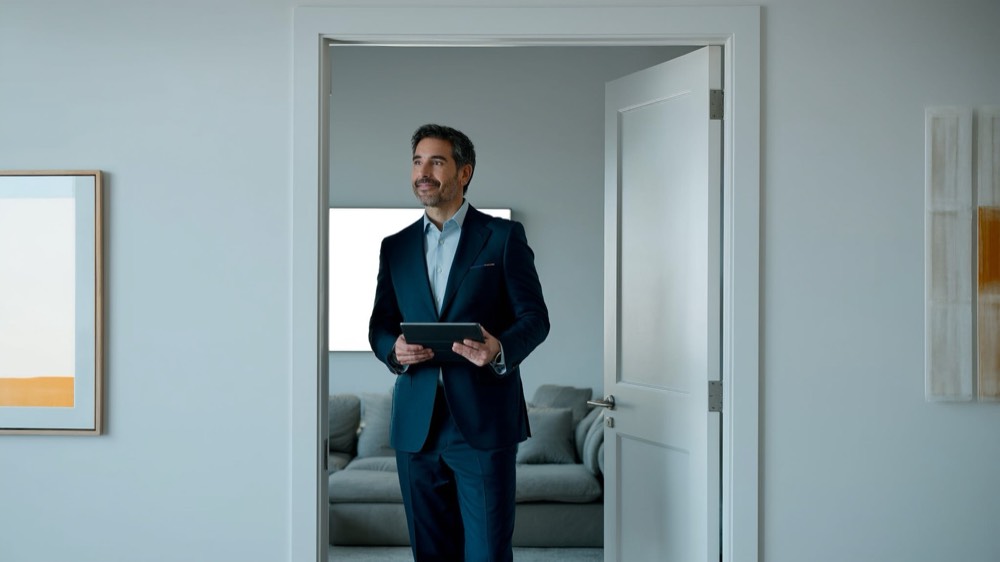
If you are looking at real estate in New South Wales, the title you will start with is Class 3 Assistant Agent. It is the first rung on the ladder, and it is where almost every NSW agent began. The job comes with a Certificate of Registration and a clear purpose: to learn the trade properly while working under a licensed agent.
So what does an Assistant Agent actually do once they are on the floor. Here is an honest look at a typical day, what the role allows, and where it takes you.
A realistic day in the life
No two days are identical in a busy agency, but the rhythm is recognisable. Mornings often start with checking enquiries that came in overnight, replying to buyers and tenants, and confirming the day's appointments. There might be a property to photograph or a listing to write up and load onto the portals.
Weekends bring open homes, which are a big part of the role. You greet visitors, record their details, answer questions about the property, and report interest back to the licensed agent. During the week you might prepare contracts for the agent to check, follow up on people who attended an inspection, and keep the database tidy.
Underneath all of it sits learning. You are watching how the licensed agent prices a property, handles a negotiation and manages a vendor. That observation is the real value of the role.
What an Assistant Agent can do
- Run and host open homes and private inspections.
- Support the preparation and marketing of listings.
- Field buyer, seller and tenant enquiries.
- Handle the administration that keeps deals moving, from paperwork to the database.
- Learn the practical side of selling and leasing alongside a licensed agent.
What an Assistant Agent cannot do
This is where the line matters. A Class 3 Assistant Agent works under the supervision of a licensed Class 2 or Class 1 agent at all times. They cannot run a real estate business in their own right, and they cannot take on the responsibilities reserved for a licensed agent. Think of the role as supported, not solo. The supervision is the whole point. It is how you build judgement safely before you carry the full responsibility yourself. Our explainer on the difference between a certificate of registration and a licence sets this out clearly.
How you become one
The path is short and well-defined. You complete the Certificate of Registration course, which is 5 units recognised by NSW Fair Trading, then apply to NSW Fair Trading for your Class 3 Assistant Agent registration. Archer Institute delivers the NSW Class 3 Assistant Agent course online and self-paced, so you can fit it around your current work. We walk through the full process in our guide to getting your Certificate of Registration in NSW.
Where it leads
The Assistant Agent role is a starting point, not a ceiling. Once you have experience and you are ready for more responsibility and more income, the next move is the Class 2 Agent Licence, which lets you list and sell in your own right. From there the Class 1 Licensee in Charge opens the door to running an office. If you are completely new to the industry, our guide to starting a real estate career with no experience is a good place to begin.
Start where the successful agents started. Enrol in the Class 3 Assistant Agent course, study online at your own pace, and lean on our Australian-based support team whenever you need a hand.